

AI in Education
How artificial intelligence is reshaping classrooms, empowering teachers and students.
Updated: 1 April 2026
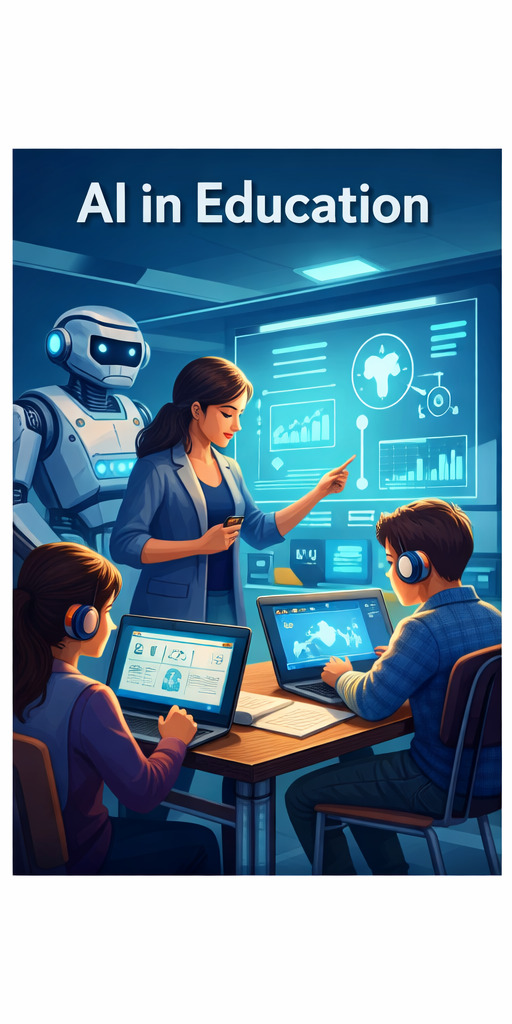
Rapid Adoption Around the Globe
Educators and learners are embracing AI at an unprecedented pace. By 2025, surveys indicated that up to 86 % of students worldwide had used some form of AI‑powered tool, and roughly 60 % of teachers in the United States reported using AI in their daily teaching practices. Despite this growth, there remains confusion over responsible and ethical use of these technologies.
Personalised Learning Paths
One of AI’s biggest strengths lies in its ability to adapt to each learner. Intelligent tutoring systems track student progress and adjust difficulty levels in real time. Two students working through the same curriculum may receive entirely different practice questions based on their unique strengths and weaknesses. Such personalised experiences encourage mastery and keep students engaged.
Automated Grading & Early Intervention
Automating assessments can dramatically reduce teachers’ workloads. AI‑powered grading tools have been shown to cut marking time by around 37 % and handle nearly half of all multiple‑choice assessments. Early warning systems analyse attendance, performance and engagement data to flag learners who may be struggling; institutions using these systems have improved student retention by approximately 15 %.
Accessibility & Micro‑Learning
Real‑time translation and accessibility features help institutions reach multilingual and differently abled learners. AI tools can automatically translate lectures or generate captions, ensuring equitable access. At the same time, dynamic curriculum engines break complex subjects into micro‑learning modules that update frequently to keep pace with rapid changes.
Key Takeaways
- Widespread adoption: AI tools are used by the majority of students and many educators worldwide.
- Adaptive teaching: Systems personalise lessons by adjusting difficulty based on individual progress.
- Efficiency & retention: Automated grading reduces workload by over a third and early warning systems boost student retention.
- Inclusive learning: Real‑time translation and micro‑learning modules make education accessible and up‑to‑date.