Next‑Generation AI Tools
An overview of cutting‑edge generative tools redefining creative workflows.
Updated: 1 April 2026
Why Emerging AI Tools Matter
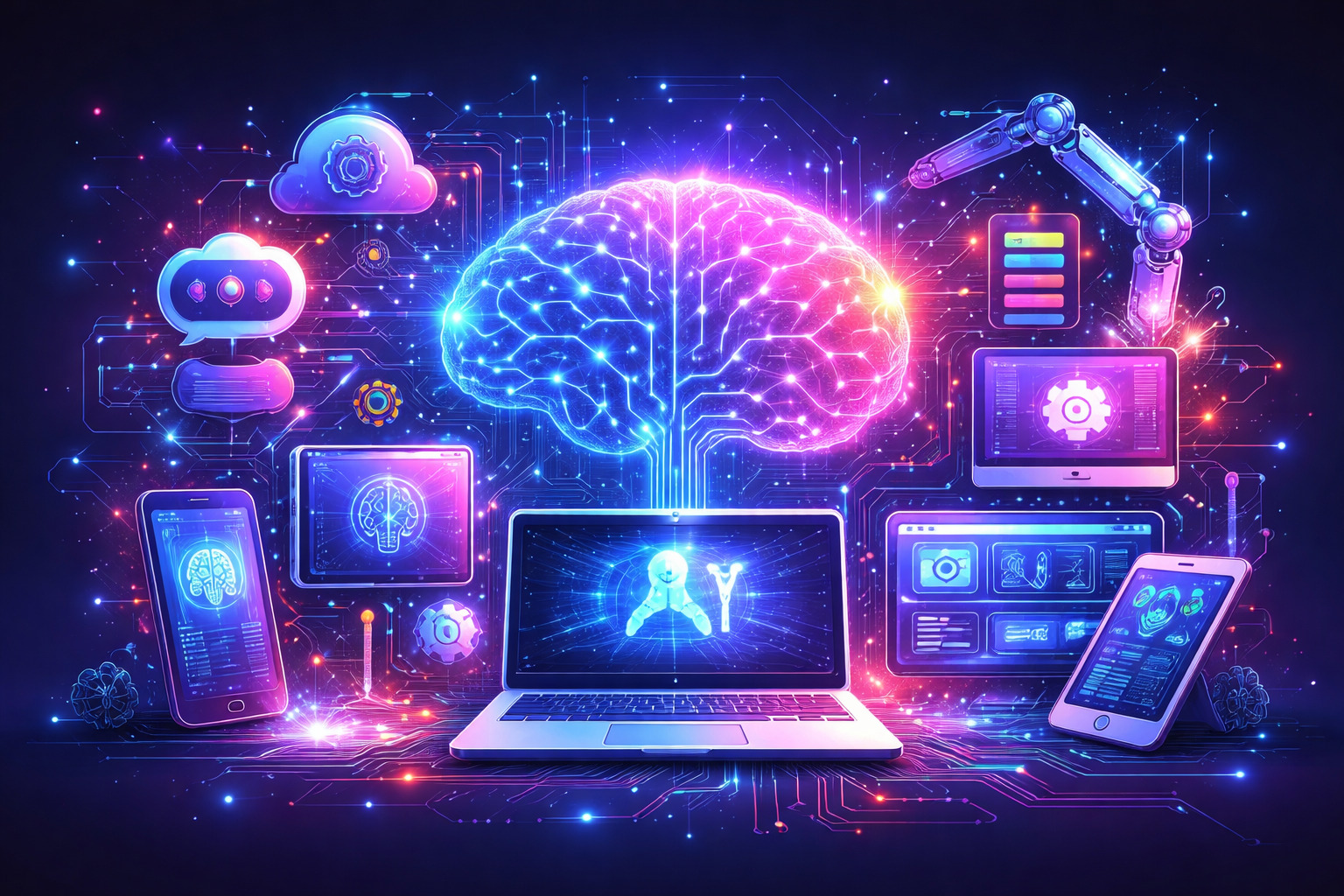
Artificial intelligence has rapidly matured from a novelty into a core component of modern creative work. New generative models can analyze footage, images and text, then produce high‑quality media with minimal human input. Understanding what’s available—and how to use it responsibly—helps editors, designers and storytellers stay ahead of the curve.
Nano Banana Pro
Google’s Nano Banana Pro builds on the popular Nano Banana image generator to offer professional‑grade control and higher fidelity. The tool uses Gemini’s latest multimodal model and allows users to draw directly on images, adjust lighting and camera angles, and even generate text overlays. Nano Banana Pro introduces 4K rendering, improved text generation and finer control over parameters like aspect ratio and depth of field. Google notes that the Pro version excels at tasks such as character consistency, seamless image blending and targeted edits.
While the base Nano Banana is ideal for quick experimentation, the Pro tier is designed for artists and filmmakers who need precise, high‑resolution results. Access is currently integrated into the Gemini interface—select “Image Generation” from the tools menu, choose the “Thinker” model, and either type a prompt or upload reference images to start creating.
Veo 3.1
Veo 3.1 is Google’s latest generative video model. The update introduces three generation modes—Start & End Frame, Multi‑Image Reference and Text‑to‑Video—that give creators unprecedented control over narrative and style. Veo 3.1 improves subject consistency and enables vertical (portrait) outputs for platforms like YouTube Shorts. It also features native upscaling to 1080p and 4K resolutions, and supports higher‑fidelity production workflows.
In practice, Veo 3.1 can generate eight‑second clips based on text prompts or reference images. The Start & End Frame mode interpolates a smooth transition between two images; Multi‑Image Reference uses up to three images to guide composition; and Text‑to‑Video transforms descriptive prompts into cinematic footage. While character identity consistency has historically been a challenge, recent improvements help maintain appearance across scenes.
Other Promising Tools
The generative landscape evolves quickly. Beyond Google’s ecosystem, tools like OpenAI’s Sora and Hedra’s Character‑3 are pushing boundaries in video synthesis and multimodal workflows. New entrants combine image generation, audio synthesis and motion control into unified pipelines, allowing artists to iterate across media without leaving a single platform. Keeping an eye on these developments ensures you’re ready to adopt the next wave of creative AI.
Key Takeaways
- Professional control: Tools like Nano Banana Pro introduce 4K resolution, advanced text rendering and precise editing capabilities.
- Flexible generation modes: Veo 3.1 supports text‑to‑video, multi‑image guidance and start–end frame interpolation for smooth transitions.
- Improved consistency: New models focus on maintaining character and background coherence across frames.
- Integrated workflows: Emerging platforms unify image, video and audio generation so creators can iterate across mediums.